
Maybe May Means Maybe
A fan letter to Clarkson’s Farm, ugly Fiats, stubborn weather, tractors, and the people who feed us.

Is the month of May called May because the weather may be good or may be bad?
That is what Driplist jokingly pointed out in this TikTok:
And honestly, if you grew up in mainland Europe, you probably understand exactly what she means. May is that strange month where you leave the house dressed like summer has finally arrived, only for the sky to look at you a few hours later and say, “Who told you that?” One minute you are thinking about iced coffee, sunglasses, and sitting outside like a civilised Mediterranean person. The next minute you are fighting wind, rain, and emotional damage.
But this is not a post to complain about the weather.
This is a post to say one thing clearly: Clarkson’s Farm is back. And I am very happy about it.
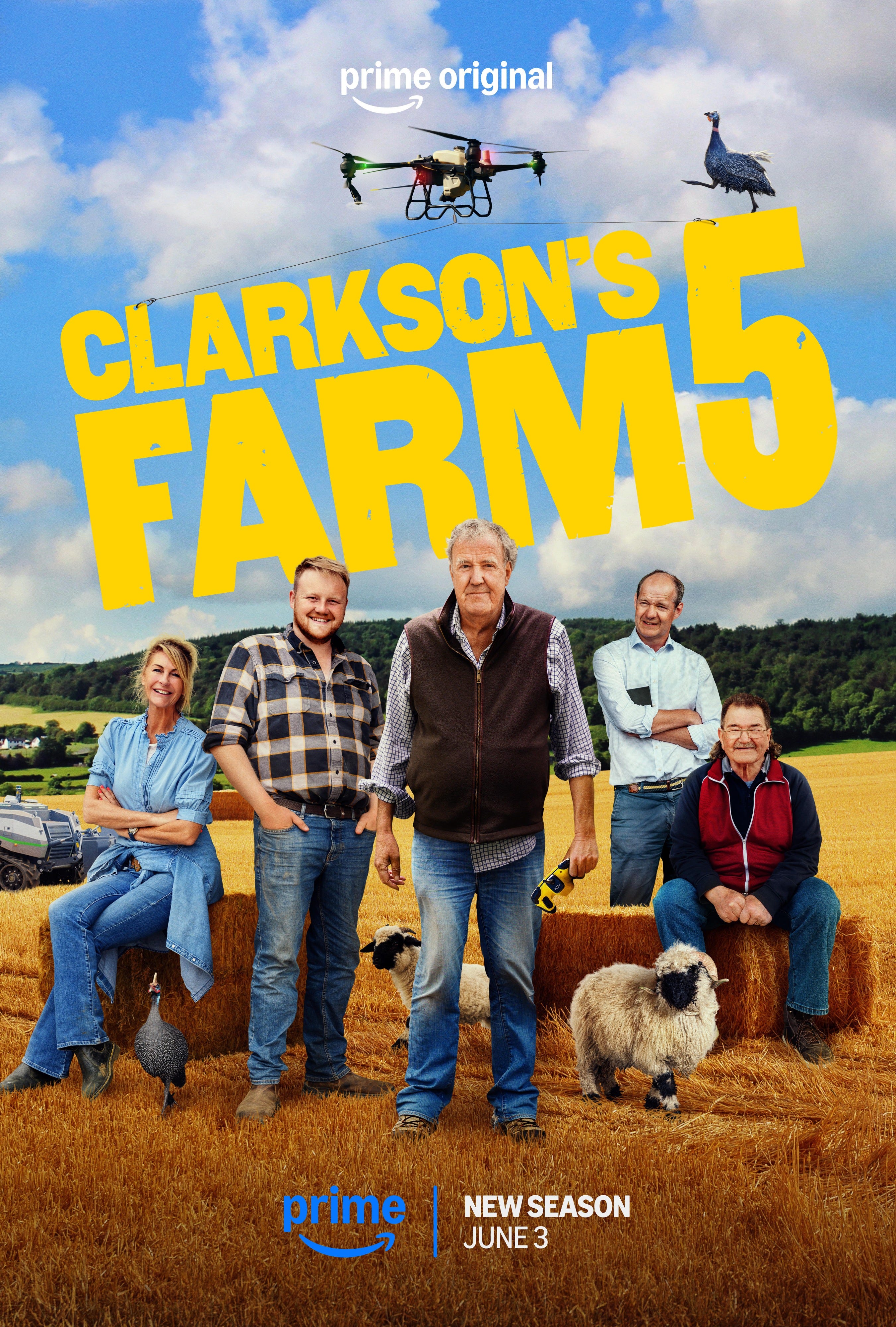
One of the funniest, most real, and surprisingly educational shows on Prime Video has returned, and once again I found myself laughing, learning, and developing a deeper respect for the people who wake up every day to do work most of us barely understand: farmers. The people who feed us. The same people we sometimes get impatient with when their tractors create a little queue on a countryside road.
After watching this show, I genuinely think I will be more patient the next time I am stuck behind a tractor. Or at least I will try. Because now I know there is probably a man somewhere fighting weather, broken machinery, council rules, sheep, cows, mud, and Jeremy Clarkson-level chaos just so food can arrive on a shelf looking simple.
How I Got Pulled Into Diddly Squat
First of all, shoutout to Thiago, my Brazilian housemate, who introduced me to Clarkson’s Farm back in 2023. Before that, I did not really know much about Mr. Clarkson. Of course, I had heard the name before. Jeremy Clarkson is a legend in the UK and in many other countries because of his car shows, but I did not grow up watching him the way many British people did.
I only started properly understanding the Clarkson world after moving to the UK and hearing how emotionally offended people could be by certain cars. One car that kept coming up was the Fiat Multipla. People spoke about that car like it had personally attacked their family. They compared it to a frog. They called it one of the ugliest cars ever made. They said it looked like someone designed it during a fever dream
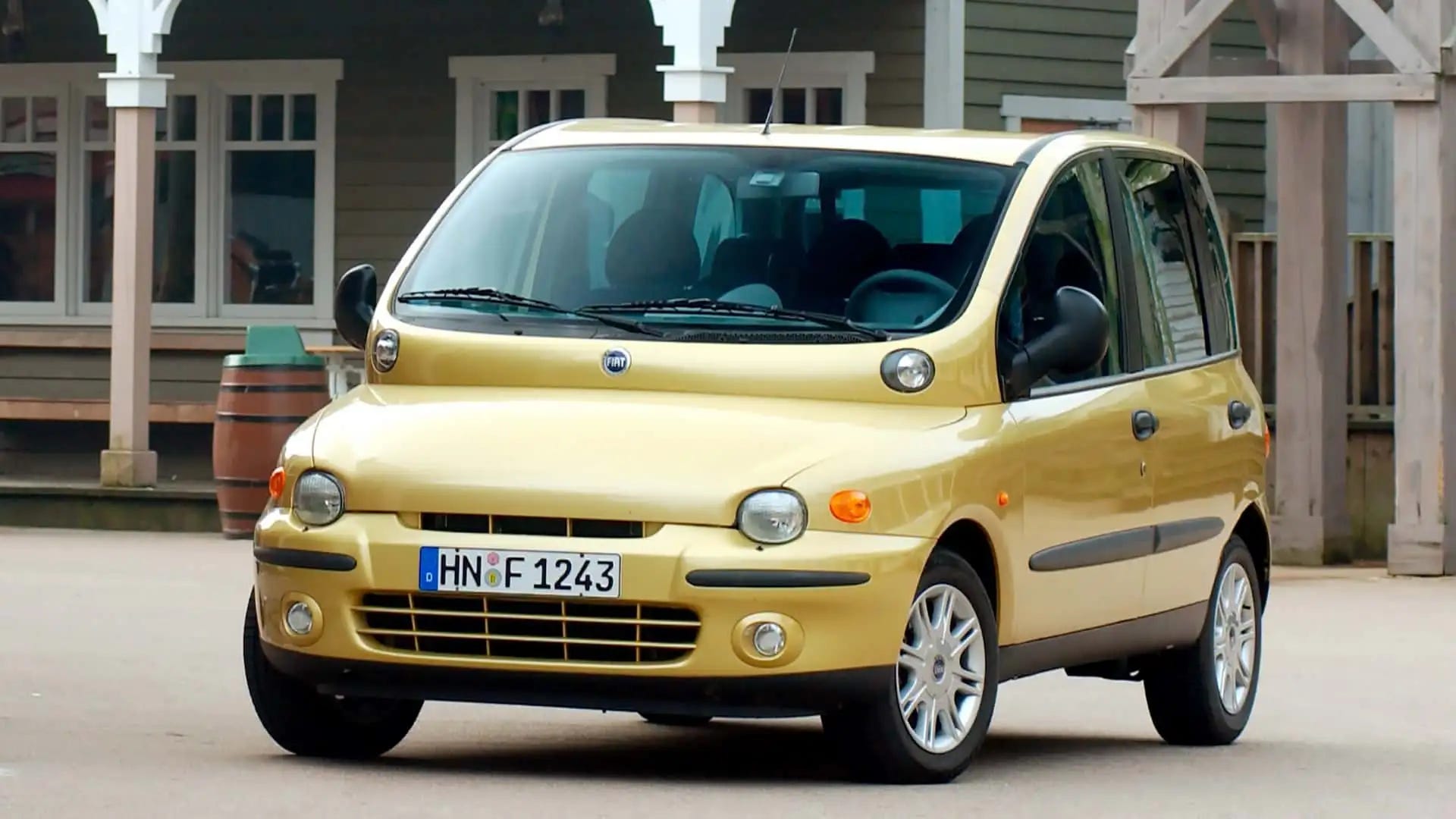
.And after many years, I have to admit something painful as someone who grew up around Italian cars: yes, the Fiat Multipla is ugly. Very ugly. But to be fair, it does give you a beautiful panoramic view from the inside. Or maybe I only believe that because Riccardo’s father told me when I was in elementary school in Modena, and sometimes childhood memories become facts in your head.
Anyway, that was a long tangent. Let’s return to the farm before I start defending more Italian design crimes.
A Man In His Sixties Woke Up And Said, “I’m A Farmer Now”
The reason Clarkson’s Farm works so well is simple. Jeremy Clarkson, a man accepted in big circles of influence, media, London life, celebrity spaces, car culture, and British television history, suddenly decides that he is going to become a farmer. No real farming experience. No quiet personality. No small ego. Just a man, a farm, a massive tractor, and unlimited confidence.
What could possibly go wrong?
Everything. That is the answer. Everything could go wrong, and most of it does.
They started filming not long before Covid, which is already a ridiculous time to choose farming as your new life project. Then, in the first season, Jeremy learned the hard way that weather does not care about your confidence. You may have money, fame, plans, cameras following you, and a loud voice, but if the weather says no, the weather says no.
Unless you go full greenhouse technology, traditional farming still bows before the sky. That alone humbled me, because a lot of us live in cities, offices, laptops, calendars, and notifications. We think we are in control because we can move meetings, change flights, order food, and complain about Wi-Fi. Then you watch Clarkson’s Farm and remember that some people still live by rain, soil, animals, sunlight, timing, and machines that break down exactly when they are most needed.
The Tractor Was A Lamborghini, So Of Course Jeremy Bought It
One of the funniest moments in the show is when Jeremy is sent to buy a tractor. A normal person might ask practical questions. Is it suitable for British fields? Is it the right size? Can it fit where it needs to fit? Are the controls easy to understand? Can we service it locally?
Jeremy saw a Lamborghini tractor and said, emotionally, spiritually, and mechanically: yes.
He came back with this humongous machine that looked like it belonged on an industrial battlefield rather than a British farm. It was too big for many normal farming situations, some of the instructions were in German, and you could see Kaleb’s spirit leaving his body in real time.
That is the comedy of the show. Jeremy brings big ideas, Kaleb brings reality. Jeremy brings chaos, Kaleb brings the invoice. Jeremy brings confidence, Kaleb brings the look of a man asking God for strength.
Kaleb Is Basically The Son Jeremy Never Asked For But Definitely Needed
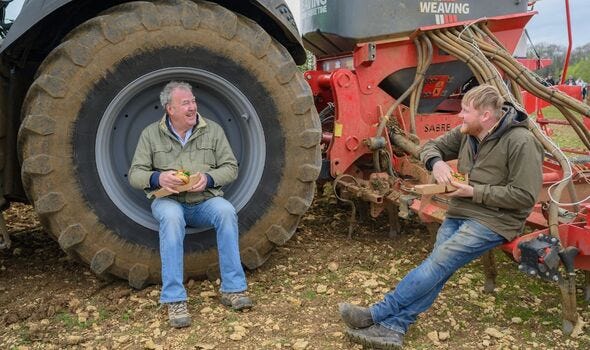
Let’s be honest: Kaleb Cooper is one of the best parts of Clarkson’s Farm. He almost feels like a son to Jeremy, but also like the only adult in the relationship. He is young, sharp, funny, blunt, and permanently annoyed by Jeremy’s farming incompetence.
He has to deal with Jeremy’s bad decisions, fix his mistakes, explain basic farming logic, and survive another crazy idea that probably started with Jeremy saying, “I’ve been thinking…” That sentence alone must terrify Kaleb.
And then there is that legendary moment where Kaleb asks if the air is different in France. I still laugh thinking about it.
But behind all the comedy, Kaleb represents something important. He shows that farming is not something you just “have a go at” because you bought land and watched a YouTube video. It is skill. It is instinct. It is timing. It is generational knowledge. It is knowing when to move, when to wait, when to worry, and when to shout at Jeremy Clarkson.
A lot of us, especially those who did not grow up around farms, underestimate that. We see food, but we do not see judgement. We do not see risk. We do not see the thousands of tiny decisions behind every harvest, every animal, every field, and every product. Clarkson’s Farm makes that visible, and somehow it does it while making you laugh.
The Sheep, The Drone, And The Collapse Of A Great Idea
Another moment that still lives rent-free in my head is Jeremy trying to move sheep with a drone. At first, you almost believe it might work. The drone is flying, the sheep are moving, technology is winning, and humanity has entered the future.
Then, of course, everything starts going wrong.
The sheep begin acting like rebels. The farm walls and stones are suddenly in danger. The whole brilliant idea starts collapsing in front of us. And that, to me, is the show in one scene: a clever idea meets reality, and reality wins.
Again.
That is farming. That is business. That is life. You can plan from your desk. You can imagine the perfect system. You can say, “This will be efficient.” Then sheep enter the story and remind you that the world is not a spreadsheet.
Sending Kaleb To London Was Definitely On Purpose
Another hilarious moment was when Jeremy sent Kaleb to London to sell his little low-quality wasabi plants. Poor Kaleb. This is a man who proudly carries the spirit of the countryside, a man who had barely left his county, and suddenly he is dropped into London like a farmer entering another planet.
You could see the confusion on his face. The buildings, the pace, the people, the nonsense, the city energy. He looked completely out of place, and I am convinced Jeremy knew exactly what he was doing.
Jeremy struggles on the farm, so he sent Kaleb somewhere he would struggle too. That is friendship. Or revenge. Maybe both.
There are many more funny moments, but honestly, they cannot all fit into one Substack post. Clarkson’s Farm is one of those shows where every episode gives you at least three moments you want to explain to someone immediately.
The Council, The Pub, And The Art Of British Pettiness
Now let’s talk about the council, because wow.
Watching Jeremy deal with local bureaucracy was both funny and painful. The farm shop, the restaurant, the pub, the planning applications, the objections, the meetings. Of course, rules matter. Communities matter. Planning matters. You cannot just build anything anywhere because you are famous and loud. I understand that.
But at the same time, watching the show, I could not shake the feeling that sometimes people were not only protecting the community. Sometimes it looked like jealousy, fear, and small-town politics were standing in the way of something that could actually help local people.
Jeremy became genuinely passionate about farming and the people around it. He did not only try to make the show funny. He tried to educate people. He tried to support local farmers. He tried to create businesses around Diddly Squat Farm that could benefit not only him, but also people in the area.
And yet the resistance was heavy. Very British. Very polite. Very procedural. Very “we have reviewed your application and decided that joy is not permitted at this location.”
That is where I saw British pettiness in full uniform. Not loud. Not aggressive. Just quietly powerful, smiling through paperwork. Sometimes jealousy and abuse of small power can make people miss the bigger picture. And that annoyed me, because farming is already hard enough. Why make it harder for the people trying to keep it alive?
The Strange Beauty Of Watching Someone Learn Late
There is something beautiful about watching a man in his sixties wake up and say, “I am going to become a farmer,” then actually try to do it. Not perfectly. Not smoothly. Not without making everyone around him suffer a little bit. But he tries.
He learns. He fails. He gets corrected. He starts again.
I like that.
In a world where people pretend to know everything before they begin, there is something refreshing about watching someone start clueless and slowly become passionate. Jeremy was not born into the daily discipline of farming. He entered it late, loudly, awkwardly, and with a Lamborghini tractor. But somewhere along the way, the land got him. The people got him. The animals got him. The work got him.
And you can see it.
The show is funny, yes. But underneath the jokes, you are watching someone develop respect for a world he did not fully understand before. That is why it works. That is why I hope they give us another three or four seasons.
What is a show, film, or book that made you unexpectedly respect a world you knew very little about? Leave a comment. I genuinely want to know.
And if this made you laugh or think of someone who loves Clarkson’s Farm, feel free to share it with them.
Endgame Understood The Assignment
Nothing too serious today. I was just excited about the release of the new season, and I have already binge-watched the first four episodes. Now I am waiting for the second part like a man waiting for jollof rice at a wedding when they have started serving table by table and your table number is far away.
Also, spoiler alert: Endgame is not gay as Jeremy kept saying :D
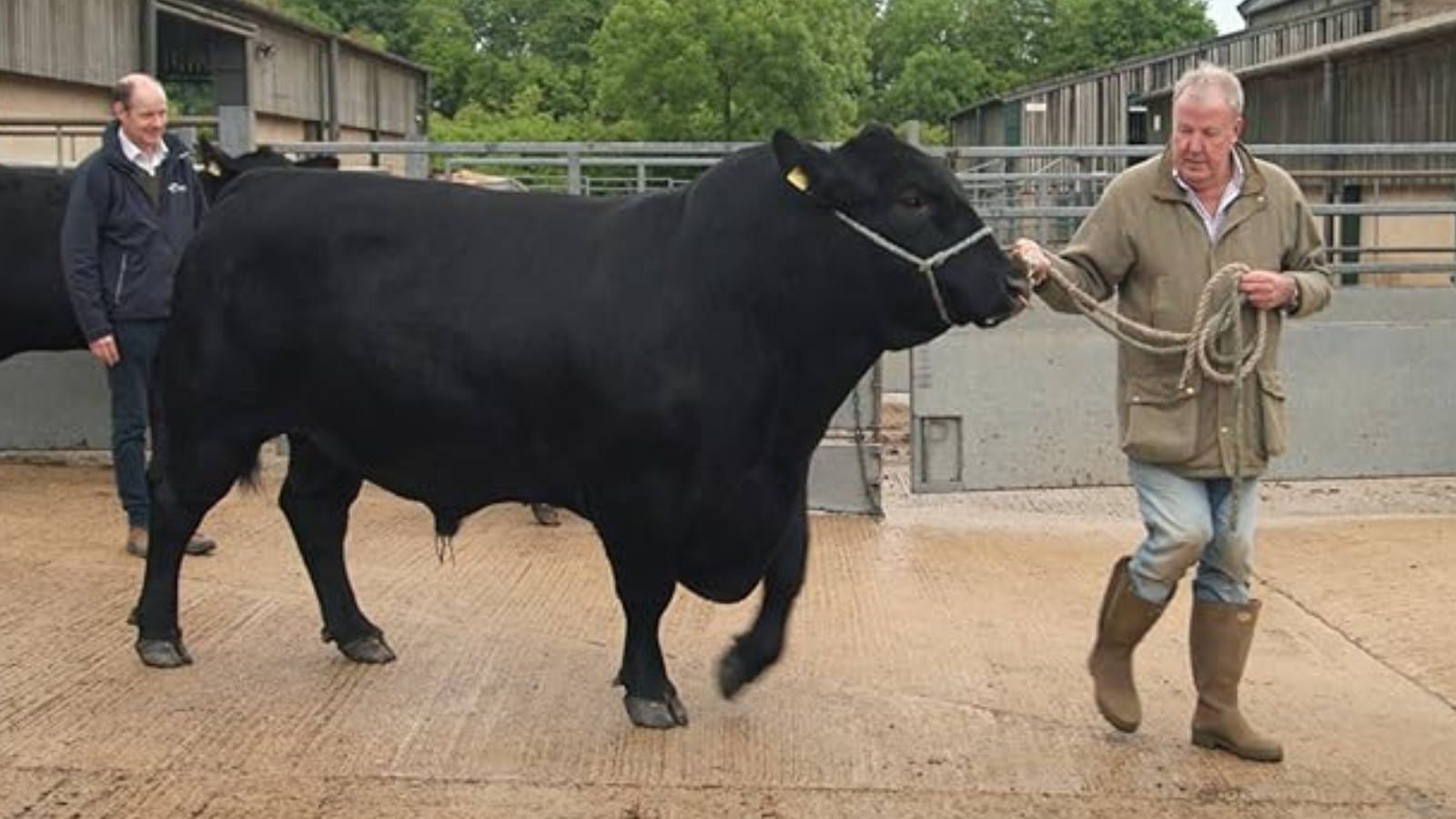
He may have been small, but apparently he still understood the assignment. Five cows. That is all I will say.
Watch The Show, Then Go Outside
My honest recommendation is simple: watch Clarkson’s Farm.
Watch it because it is funny, awkward, educational, and strangely moving. Watch it because Kaleb deserves an award. Watch it because Jeremy’s confidence needs supervision. But also watch it because it may make you appreciate farmers more.
If you live in the UK, it may also remind you that the countryside is not just something you pass through on the way to somewhere else. It is beautiful. It is alive. It is hard work. It is worth visiting. Take a walk, visit a farm shop, go for a short reset, and spend time outside the city.
And the next time you are stuck behind a tractor on a narrow road, maybe pause before getting annoyed. That tractor might be part of the reason you ate breakfast.
Final Thought
Clarkson’s Farm made me laugh, but it also made me think. It reminded me that the people who feed us are not background characters in our lives. They are carrying one of the oldest and most necessary responsibilities in the world, and most of us barely notice them until prices go up, shelves look empty, or a tractor slows us down.
So yes, May may be good or bad. The weather may cooperate or betray us. Jeremy may have another terrible idea. Kaleb may shout again. The council may say no. The sheep may go rogue.
But somewhere in the middle of all that chaos, Clarkson’s Farm manages to do something rare.
It makes you laugh first.
Then it makes you grateful.
If this letter made you smile, think, or appreciate the people behind your food a little more, subscribe to The Ampomah Letters. I write about faith, money, culture, books, and the ordinary moments that teach us how to live better.
I genuinely want to know this one: what show, film, book, or documentary made you unexpectedly respect a world you knew almost nothing about?
For me, Clarkson’s Farm made farming feel less like “countryside background noise” and more like one of the hardest jobs holding society together.